
Animals
Pronunciation
German Shepherd Dog
Description
The German Shepherd Dog is also known as the Alsatian. It is handsome, well proportioned and very strong. The coat most often comes in black with tan, sable or all black, but also can come in blue, liver and white, but those colors are considered a fault according to most standards. White is not an acceptable color for the German Shepherd, however they are now being recognized as a separate breed, called the American White Shepherd. The nose is black most often black but, blue or liver still do sometimes occur, but is considered a fault can not be shown. It has a sturdy, muscular, slightly elongated body with a light but solid bone structure. Its head should be in proportion to its body, and the forehead a little convex. It has a strong scissors bite, ears wide at the base, pointed, upright, and turned forward (the ears of puppies under six months may droop slightly). The eyes are almond-shaped, never protruding, dark, with a lively, intelligent expression. Its bushy tail reaches almost to its hocks and hangs down when the dog is at rest. Its front legs and shoulders are muscular; its thighs thick and sturdy. It has round feet with very hard soles. There are three varieties of the German Shepherd: rough-coated, long rough-coated, and the long-haired.
Temperament
Often used as working dogs, German Shepherds are direct and fearless, eager and alert. Bold, cheerful, obedient and eager to learn. Known for their tremendous loyalty and courage. Calmly confident, but not hostile. Serious and almost human in his intelligence. They have a high learning ability. German Shepherds love to be close to their families, but they are very wary of strangers. This breed needs his people and should not be left isolated for long periods of time. They only bark when it is necessary. German Shepherds have a very strong protective instinct, so they should be extensively socialized to prevent over-guarding when they are an adult. Aggression and attacks on people are largely due to poor breeding, handling and training. A well bred, well-adjusted, and trained dog is for the most part generally good with other pets and excellent with children in the family. They must be firmly trained in obedience from an early age. It is extremely important to purchase your German Shepherd from a reputable breeder. Some are timid and skittish and may be prone to fear biting. Research a puppy's lineage carefully. To be successful pets, these dogs should be trained and socialized from an early age with a firm and loving hand. Coercive or angry training does not succeed well with these dogs. To be truly happy, the German Shepherd needs a task in life. The breed is so intelligent and learns so readily that it has been used as a sheepdog, guard dog, in police work, as a guide for the blind, in search and rescue service, and in the military. The German Shepherd also excels in many other dog activities including schutzhund, tracking, obedience, agility, flyball, and ring sport. His fine nose can sniff out drugs and intruders, and can alert handlers to the presence of underground mines in time to avoid detonation, or gas leaks in a pipes buried 15 feet underground. The German Shepherd is also a popular show and family companion.
Height, Weight
Height: Dogs 24-26 inches (60-65cm.) Bitches 22-24 inches (55-60cm.)
Weight: 77-85 pounds (35-40kg.)
Health Problems
Indiscriminate breeding has lead to hereditary diseases such as hip and elbow dysplasia, (be sure both parents have had their hips certified at least OFA good) blood disorders, digestive problems (probably due to nerves), epilepsy, chronic eczema, keratitis (inflammation of the cornea), dwarfism and flea allergies.
Living Conditions
The German Shepherd will do okay in an apartment if sufficiently exercised. They are relatively inactive indoors and do best with at least a large yard.
Exercise
German Shepherd Dogs love strenuous activity, preferably combined with training of some kind, for these dogs are very intelligent and crave a good challenge.
Life Expectancy
Around 13 years.
Grooming
This breed sheds bits of hair constantly and is a seasonally heavy shedder. A quick daily brushing is best unless hair in the house is not a problem. They should be bathed rarely, only once or twice a year to avoid skin oil depletion.
Origin
Using long-haired, short-haired, and wire-haired local shepherd dogs from Wurtemberg, Thurginia, and Bavaria, von Stephanitz and other dedicated breeders produced a responsive, obedient, and handsome German Shepherd. In April 1899, Capt. Max von Stephanitz registered a dog named Horan as the first Deutsche Schäferhunde, which means German Shepherd Dog in English. Until 1915, both long-haired and wire-haired varieties were exhibited. Today, in most countries, only the short coat is recognized for show purposes. It was presented at Hanover in 1882, and the short-haired variety was first presented in Berlin in 1889.
Group
Herding, AKC Herding
Recognition
CKC, FCI, AKC, UKC, KCGB, CKC, ANKC, NKC, NZKC, GSDCA, APRI
Written by: unknown
![DSC00218[1]](https://static.twoday.net/jpk/images/DSC00218[1].jpg)
![gsd-running[1]](https://static.twoday.net/jpk/images/gsd-running[1].jpg)
noch kein Kommentar - Kommentar verfassen
Description
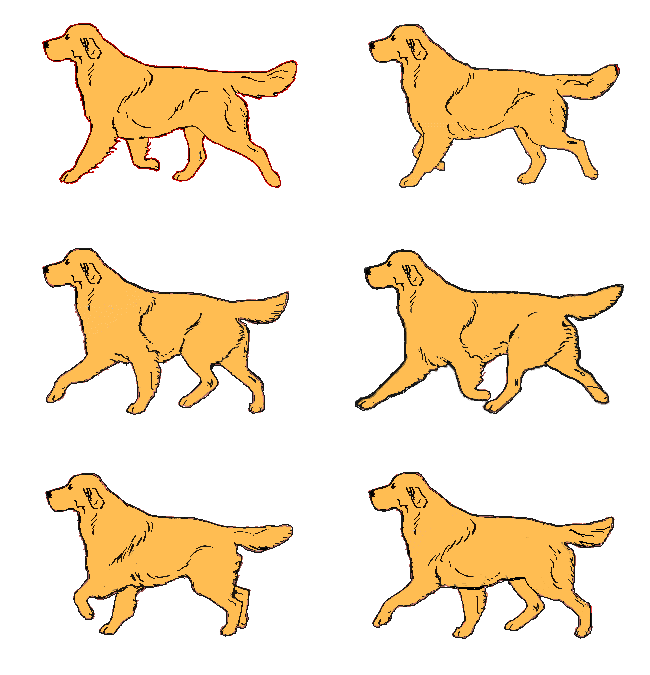
The Golden Retriever is a beautiful, sturdy, well-proportioned dog with a feathered, medium-length, cream to golden-colored coat. (The coat is not suppose to be red.) The outer coat is water-repellent and the undercoat is dense. The head is broad, with a tapering, but wide, powerful muzzle. It has a scissors bite and a clear frontal stop. The nose is black and the kindly eyes are brown with dark rims. The ears are medium-sized and pendant. Its neck and thighs are muscular and the chest is broad. The tail is long, but never curled.
Temperament
These are lovable, well-mannered, intelligent dogs with a great charm. They are easily trained, and always patient and gentle with children. Loyal, confident, sweet and eager to please. It is active, loving and an outstanding family dog. Golden Retrievers enjoy pleasing their masters, so obedience training can be fun. They excel in obedience competitions. Friendly with everyone, including other dogs, the Golden Retriever has very little, if any, guarding instincts. While unlikely to attack, Goldens make good watchdogs, loudly signaling a stranger's approach. This breed needs to be around people to be happy. If isolated from human contact, or left alone for long periods of time, the Golden Retriever may become mischievous. They can be over-exuberant and distractible. Some of the Golden's talents are hunting, tracking, retrieving, narcotics detection, agility, competitive obedience, and performing tricks. These dogs also love to swim.
Height, Weight
Height: Dogs 22-24 inches (56-61cm.) Bitches 20-22 inches (51-56cm.)
Weight: Dogs 60-80 pounds (27-36kg.) Bitches 55-70 pounds (25-32kg.)
Health Problems
Prone to hip dysplasia and congenital eye defects. OFA and CERF certification are important from both parents. Parents should also be checked for Von Willebrand's disease and heart problems. Skin allergies are common in Golden Retrievers and require immediate veterinary attention.
Living Conditions
This breed will do okay in an apartment if sufficiently exercised. They are moderately active indoors and will do best with at least a medium to large yard.
Exercise
The Golden Retriever needs daily exercise, but likes to retrieve balls and sticks, so exercising is fairly easy. Be sure to exercise this dog well and do not overfeed, as he tends to put on weight.
Life Expectancy
About 10-12 years
Grooming
The smooth, medium-haired double coat is easy to groom. Comb and brush with a firm bristle brush, paying particular attention to the dense undercoat. Dry shampoo regularly, but bathe only when necessary. This breed is an average shedder.
Origin
The Golden Retriever was first developed in the British Isles, probably from crosses between a yellow Flat-Coated Retriever, light-coated Tweed Water Spaniels, other spaniels, setters and even the Newfoundland and possibly the Bloodhound. In fact the breed was first shown as a Golden Flat-Coat. The Golden is one of the world's foremost family companion dogs. Many of the top obedience competition dogs in the country are Golden retrievers. The Golden is also a fine bird dog on both land and in the water. He has an excellent nose and has been used not only for hunting and tracking, but also for narcotics detection. Because of his great desire to please and capacity for love and learning, the Golden Retriever is also used as a guide for the blind, therapy dog, and service dog for the disabled.
Group
Gun Dog, AKC Sporting
Recognition
CKC, FCI, AKC, UKC, KCGB, CKC, ANKC, NKC, NZKC
Pictures:
![c8[1]](https://static.twoday.net/jpk/images/c8[1].jpg)
![Siva[1]](https://static.twoday.net/jpk/images/Siva[1].jpg)
By: Julian
noch kein Kommentar - Kommentar verfassen
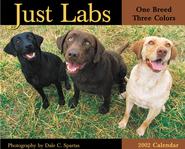
 Description The Labrador Retriever is a solid, muscular dog, slightly longer than tall, with a short, hard, easy-care, water-resistant double coat that does not have any waves and comes in solid black, yellow, or chocolate. There is also said to be a rare silver or gray color that is referred to by the AKC as a shade of chocolate. This color is controversial and some claim it is a Weimeriner cross, while others say it is a true mutation. The Labrador has a broad head, thick nose, scissors bite and a pronounced stop. Its muzzle is fairly wide and its neck is powerful. The eyes are chestnut or hazel with an intelligent expression. The medium-sized ears are pendant. The otter tail is strong, thick near the body then tapering, and completely covered with hair. Its limbs have good bone structure. The webbed feet aid in swimming.
Temperament The Labrador Retriever is a loving, affectionate, lovable, patient dog. Highly intelligent, loyal, willing, and high-spirited. Lively and good-natured, they love to play, especially in water - for they love to swim. They have an excellent, reliable, temperament and are friendly, superb with children and equable with other dogs. They crave human attention and need to feel as though they are part of the family. Labs are easily trained. Some may be reserved with strangers unless very well socialized as puppies. These dogs are watchdogs, not guard dogs, although some have been known to guard. They can become destructive if left too much to their own devices. Train Labradors early not to pull on the leash, as they have very strong necks. Show lines are generally heavier and easier going than field lines. Field lines tend to be very energetic and high strung. Often the best pets are from combination show/field stock. This breed is very popular. If you are planning to show, buy only from a reputable breeder. Labs are a bit more dominant and independent than the Golden Retriever. Some of their talents include: hunting, tracking, retrieving, watchdogging, police work, narcotics detection, guide for the blind, service dog for the disabled, search and rescue, sledding, carting, agility, and competitive obedience.
Height, Weight Height: Dogs 22-24 inches (56-61cm.) Bitches 21-23 inches (53-58cm.)
Weight: Dogs 60-75 pounds (27-34kg.) Bitches 55-70 pounds (25-32kg.) Some males can grow to 100 pounds (45kg) or more.
Health Problems Prone to hip and elbow dysplasia, PRA and eye disorders.
Living Conditions The Labrador Retriever will do okay in an apartment if sufficiently exercised. They are moderately active indoors and will do best with at least an average-sized yard.
Exercise Labrador Retrievers are energetic dogs, delighted to work and play hard. They need a lot of exercise. Labs are big eaters and need regular exercise and moderate rations to avoid a tendency to become overweight.
Life Expectancy About 10-12 years
Grooming The smooth, short-haired, double coat is easy to groom. Comb and brush regularly with a firm, bristle brush, paying attention to the undercoat. Bathe or dry shampoo only when necessary. These dogs are average shedders.
Origin Once known as the "St John's Dogs," the Labrador Retriever is one of the most popular breeds in the United States. Originally from Newfoundland, Canada the Labrador was trained to jump overboard into the icy waters to haul fisherman's nets to shore. Specimens were brought to England in the 1800's by English ships coming from Labrador, where the dog's fine retrieving instincts were honed and developed. One of the best family dogs and canine companions because of their gentle, loving disposition, the highly trainable Labrador also excels in drug detection, as a guide for the blind, and service dog for the disabled. The breed is also an outstanding obedience and field trial competitor.
Group Gun Dog, AKC Sporting
Recognition CKC, FCI, AKC, UKC, KCGB, CKC, ANKC, NKC, NZKC, CCR
Pictures:
![Laura_leckt_Welpen[1]](https://static.twoday.net/jpk/images/Laura_leckt_Welpen[1].jpg)
By: Julian
noch kein Kommentar - Kommentar verfassen


